
14 minute read
Apr 2025
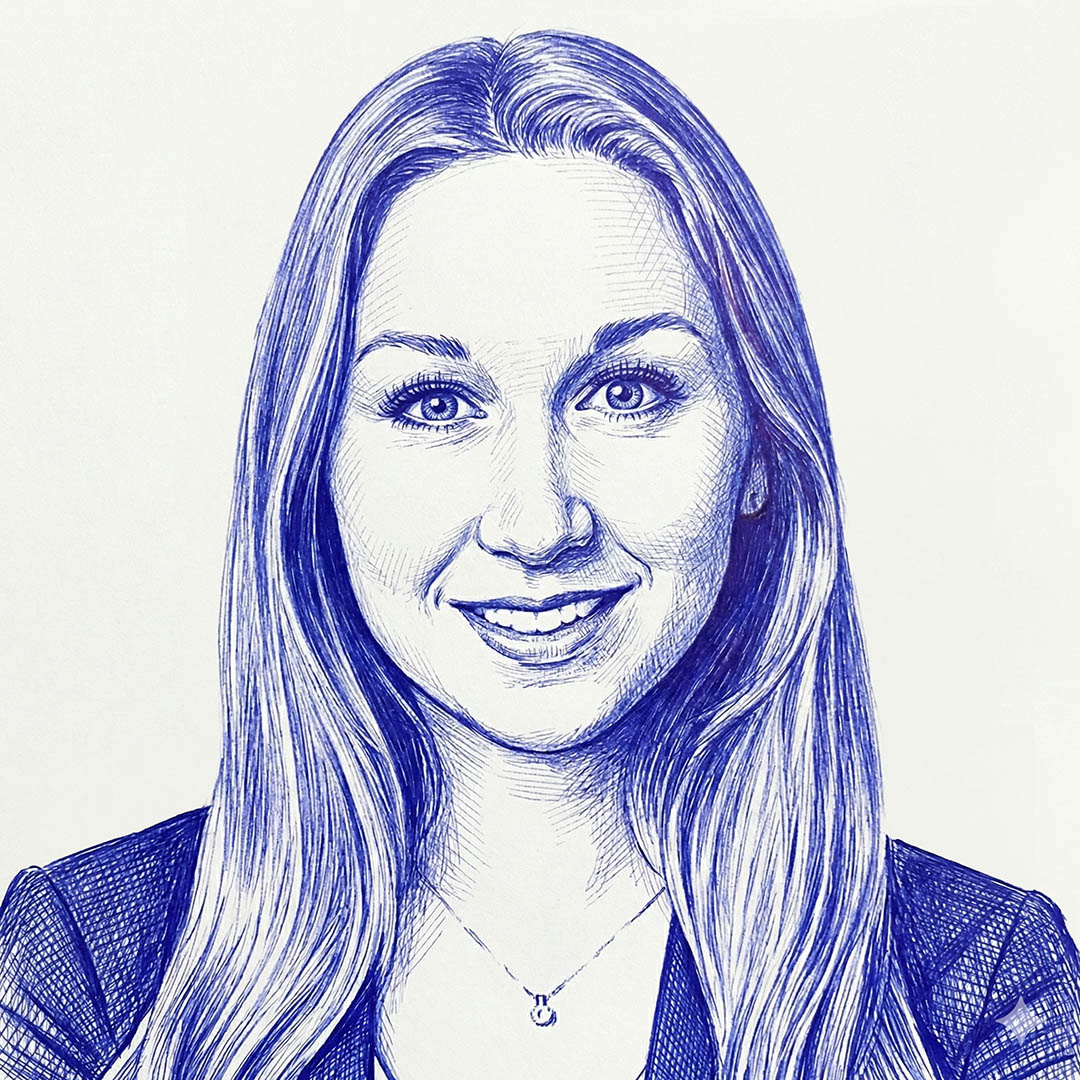
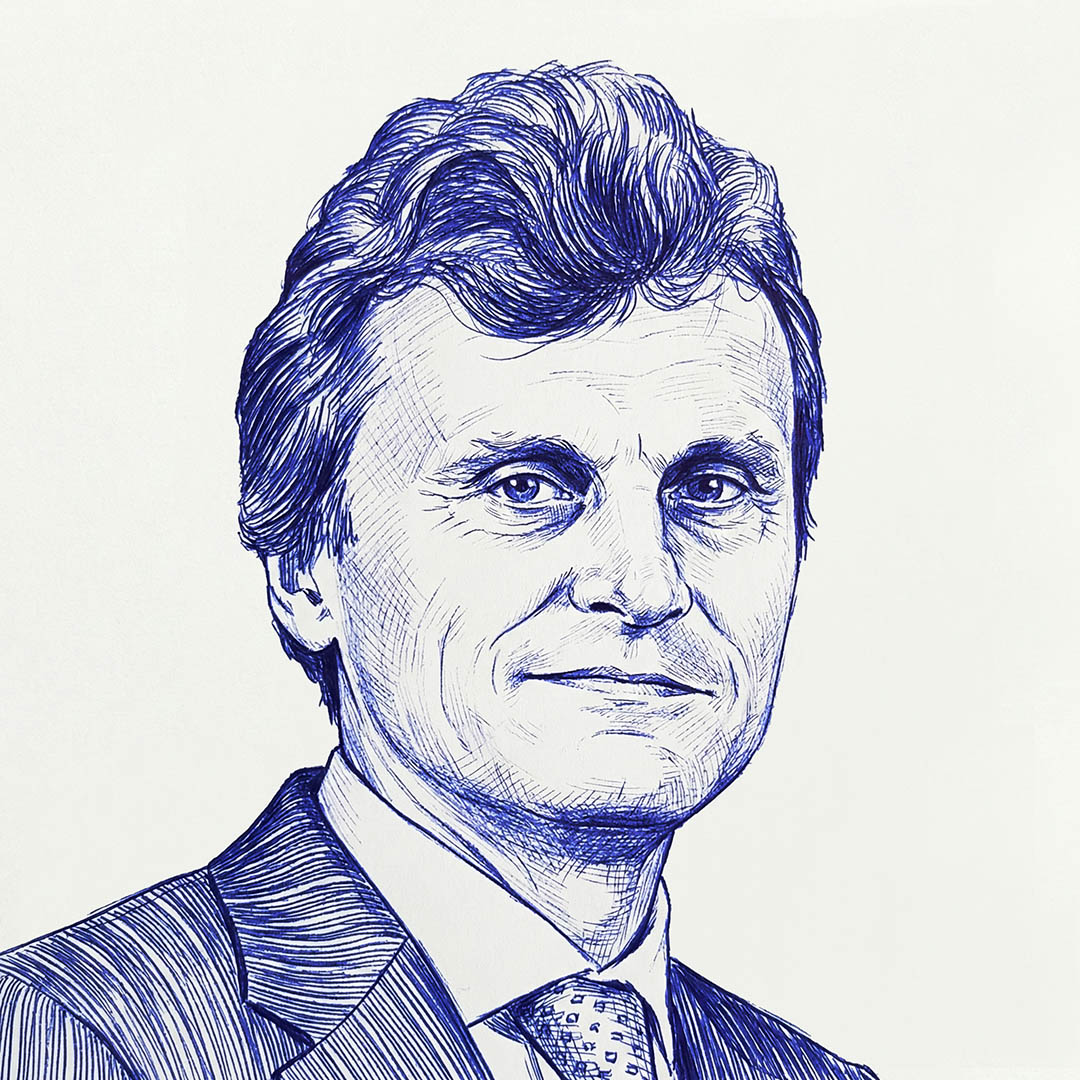
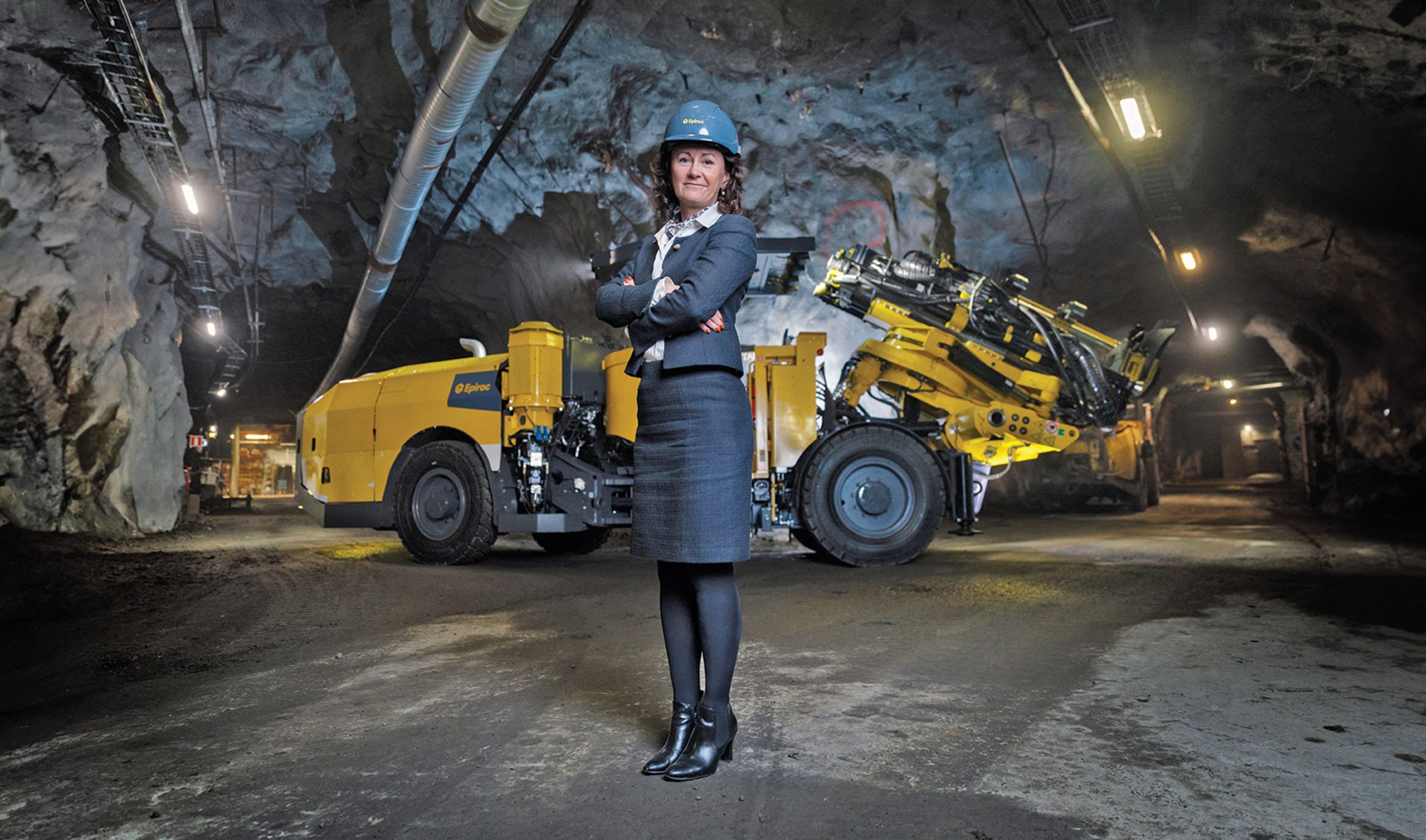
Epiroc is a leading global equipment and productivity partner for the mining and infrastructure industries.
It was established in 2018 following its spin-off from Atlas Copco, one of Sweden’s oldest and most prestigious equipment manufacturers. Today, Epiroc is a US $5.8 billion company headquartered in Stockholm, with 19,000 employees and customers in around 150 countries. It has received numerous awards. For example, research firm Statista recently named Epiroc the highest-ranking Sweden-based company in its “World’s Best Companies in Sustainable Growth 2025” survey.
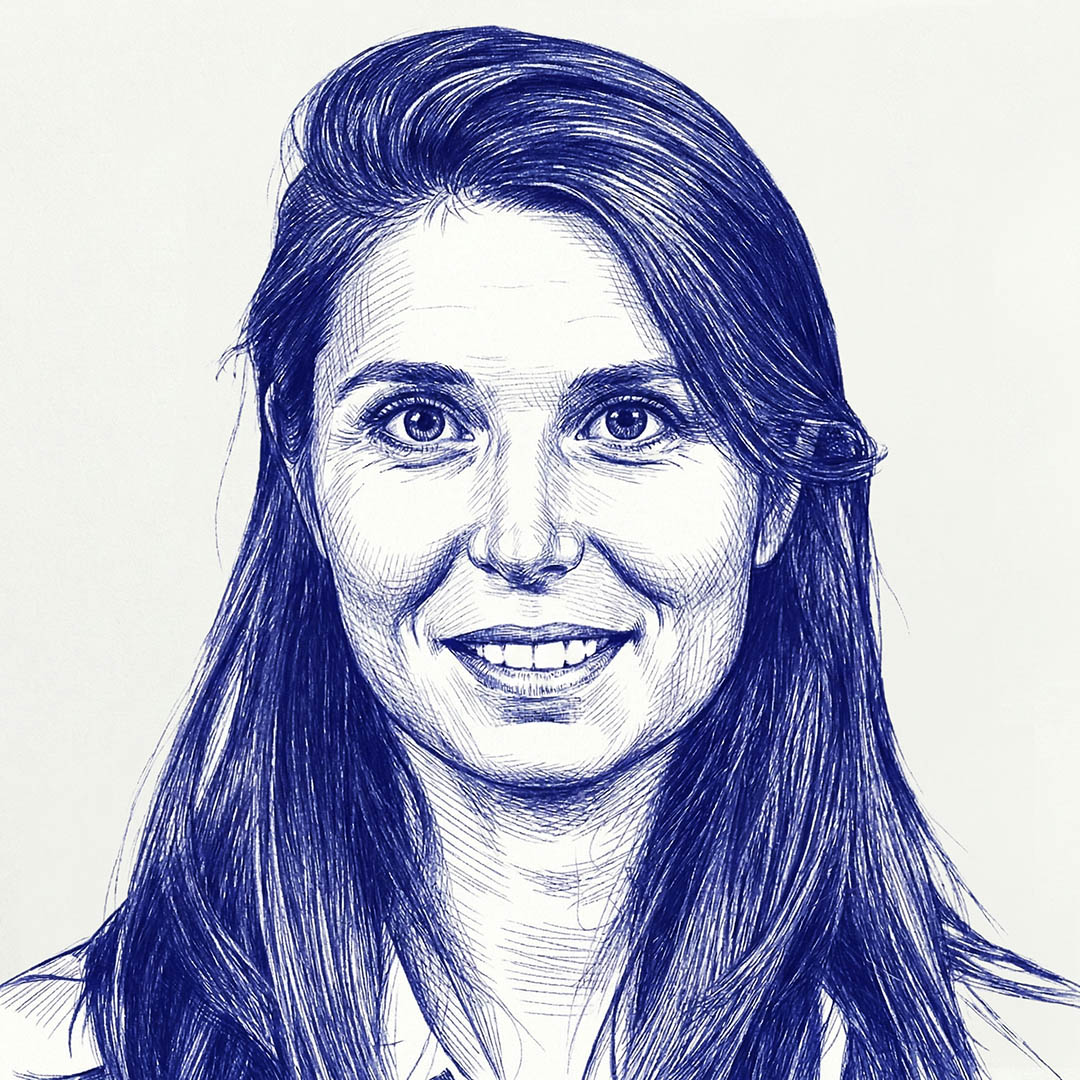
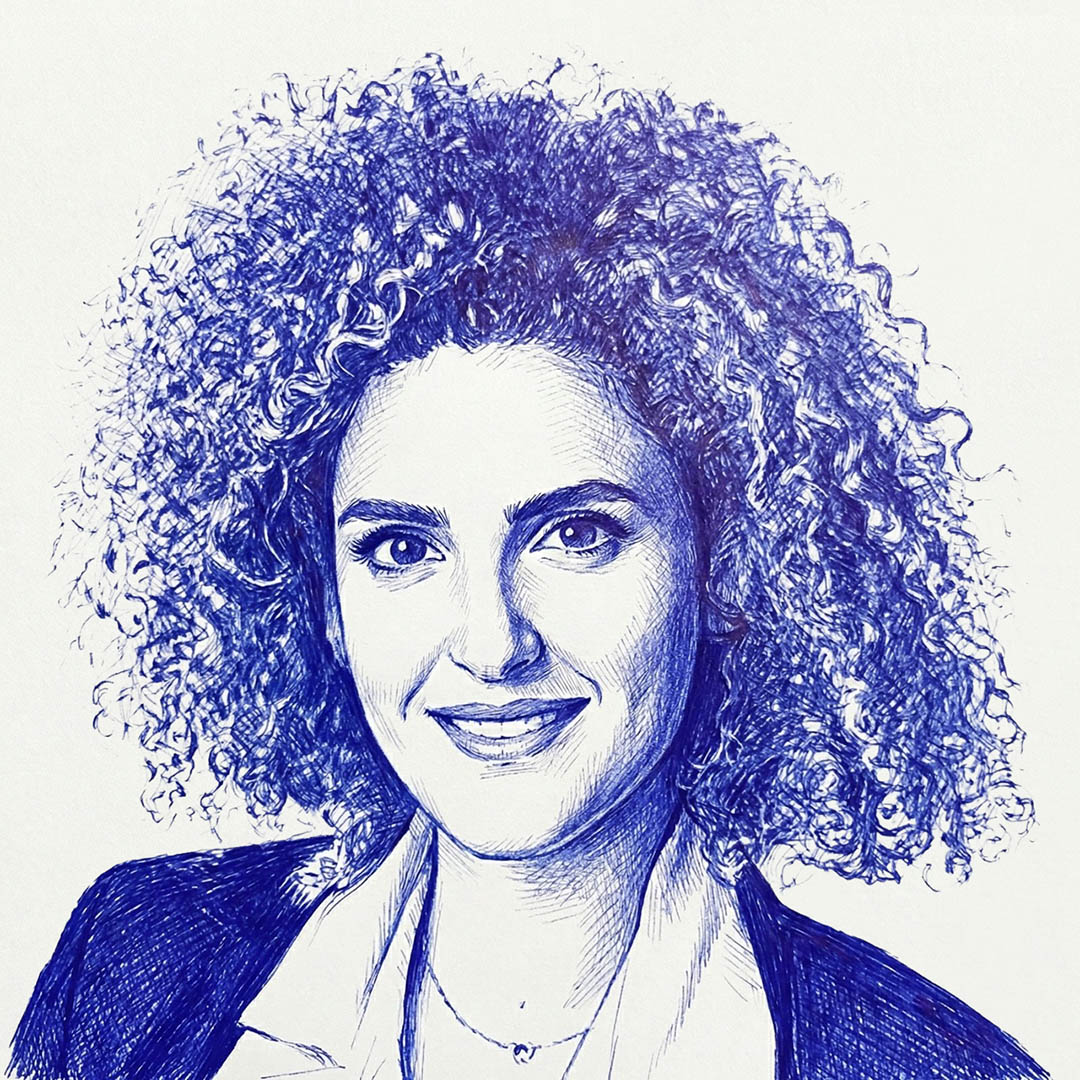
In March 2024, Epiroc’s CEO, Helena Hedblom, was pronounced the “Most Influential Businesswoman in Sweden” by Dagens industri, the leading Swedish financial newspaper. We were delighted to have the opportunity to sit down with Helena to discuss the company’s journey, how customer centricity has been key to its success, and her perspectives on leadership.
Can you tell us about the history of Epiroc and what has contributed to its success?
Let’s look back, starting with Atlas Copco’s journey over the first 145 years. Much of our success is rooted in a constant focus on innovation, always seeing what’s around the corner, being close to customers, having a direct sales model, and building an international presence. Also important was how we grew leaders from within, giving them early responsibility and forcing them to make decisions early in their careers, perhaps in a way that is not common in many companies. And we had well-functioning processes as well as fundamental pride in what we did and how we could influence and change the industries we served.
The big drive we had at the beginning of the spin-off was all about how we could take what was already good and make it even better. In fact, we’re now twice as big as when we were spun off, but we still try to run it as if we are a small company with a flat structure and very hands-on leaders. We have a very small head office here.
We also started with a very strong and clear ambition to double in scale and lead in the major technological shifts that are reshaping our segments, including automation, digitalization, and the transition to fossil-free solutions.
Given your starting point in Atlas Copco, with traditional strengths in machines and service, how did you bring about the culture change toward much greater client centricity and customer solutions rather than selling machines?
Yes, we have big, tough machines operating in a tough, basic industry. Internally, we needed to respect this but also balance it with more connection to people’s feelings, so we communicated more about inspiring employees, creating leaders, what has made us, why we are here, and how we can take pride in making a difference to our customers and the world.
We worked a lot on building a culture of “psychological safety” — that is, an environment to encourage conversations, have dialogue, and bring out all the insights around the table. When people feel safe, they dare to be creative. We’ve come a long way in making people feel comfortable challenging the status quo, daring to come up with crazy ideas, and seeing people with different perspectives as an asset. One motto we always use in meetings is “There is always a better way.” I think this has been very good.
The other key to Epiroc’s success after the split is that we are much faster. I’m convinced that the fastest player will win in the long run, not the biggest — I mean faster in all aspects, in decision-making and in changing direction when needed. How quickly can you adjust?
And with that comes the realization that you can’t be best at everything yourself. So, we focused a lot on building strong partnerships to get help from suppliers, customers, and industry partners. In many cases, this meant we could leverage technology development in other industries rather than developing it ourselves because the time frames are too short. Partnerships are also a great way to get to know a company, and they often lead to acquisitions — we’ve made 27 of them since the split.
Can you elaborate a bit more on what customer centricity really means in practice for Epiroc’s business?
Well, going back 10 years, the business was much more transactional — selling a machine and then selling spare parts and hours to repair it. Nowadays, it’s a solution with the competence to ensure that the solution is delivered 24/7.
Much of this is achieved as a journey together with the customer over several years. You start by enabling operators to control one machine remotely, then ultimately you enable them to control complex multiple operations from an office maybe 100 km away. Automation means you need a network. Now we can take responsibility for the electrical network as well as the machines, so we can troubleshoot the whole system. We needed new competencies and capacities to do all this, which is why acquisitions were so important.
We also made the same journey on the aftermarket side, which is now 68%–70% of our business. Now, as well as servicing our existing fleets that customers operate, we have many products that also service competitors’ fleets. That’s a part of what being customer-centric means: literally seeing things from the customer’s position. Customers are essentially outsourcing their maintenance department to us. We now have 7,400 service technicians, mostly placed out in the field and working shifts. And we sell twice as many spare parts to fleets that are under our service contracts.
But to make this successful, we have invested a great deal in our presence with customers and suppliers through workshops and establishing new processes. We worked a lot with the supply chain to increase the availability of spare parts. There’s a trust gap with customers that you must overcome.
Epiroc strongly promotes the drive toward sustainable solutions, but are all customers in different parts of the world really demanding these? How do you handle the complexity of differing demands?
It’s true that demand is not uniform, but if you look at the dimensions of sustainability, starting with mining safety, you see it’s problematic really everywhere in the world. If you look at the environmental dimension, there’s also interest in all parts of the world, except that, for example, many mines don’t have access to clean electricity. So, there are different technical solutions for different applications and segments. Where you want to go first may be different, and the course and speed of the journey will not be the same, but the ultimate destination is the same. Sometimes, it’s slow because of the size of the gap and everything it involves. So, while 42% of our solution range is based on fossil-free technology, it still only accounts for 4% of our sales. But if I play forward 10 years from now, I think we will see much more fossil-free solutions, and all the other OEMs that supply diesel machines see this.
“If you look at the environmental dimension, there’s also interest in all parts of the world, except that, for example, many mines don’t have access to clean electricity”
When it comes to prioritizing investments in technology development, you need to have a clear vision and end position. Take automation, for example. We have a clear vision of full mixed-fleet automation, so everything we develop with automation should be able to go not just on our machines but also on other machines, and not just loaders, trucks, and drills but all vehicles in a mine.
We also have many examples of autonomous solutions, about 20 projects worldwide, including full autonomy for both underground and surface vehicles. It’s not even that challenging anymore, and we always land somewhere between 25% and 35% productivity improvement because you can run over shift stops, and the machines run more optimally without the human factor.
We want to be our customers’ productivity partner, providing a platform for orchestrating whole automation solutions. In the end, our ambition is to digitalize everything from exploration to crushers. It’s a palette of different solutions for different customers, but the ambition is to offer a whole range that reduces our emissions by half by 2030. That’s the goal, really.
“We want to be our customers’ productivity partner, providing a platform for orchestrating whole automation solutions”
What is your view on the future of mining, particularly new areas such as urban mining, seabed mining, and space exploration?
We made several acquisitions in the direction of urban mining. We believe that in the circular economy we are moving toward, the metals in buildings and bridges will be a source of raw materials. They have to start circulating more, and having solutions for that sector is a strategic choice we’ve made.
Regarding space mining, it is not something we are planning, but we’re very excited to be part of a project with partner ispace, which involves them placing a small rover on the moon’s surface to scoop and analyze materials. ispace is collaborating with NASA on this project. SpaceX launched the rocket carrying the rover in January, and it should land on the moon in May or June. It’s not mining at this stage; this is about contributing with our technology to an exciting project, but who knows what will happen in the future?
We’re following what is being done in seabed mining, but deep water presents many difficulties. With depth comes complexity and safety issues. But you have to be open, and we constantly follow developments. You should never say never!
What about your own personal journey to become the CEO of one of Sweden’s most valuable manufacturing companies? When you walked through the door as a newly graduated engineer, did you have a clear career plan?
No, never! If you had asked me when I was general manager in Fagersta if I could ever imagine becoming a division manager, I would have said no. I would never have thought I would become a business manager. So, when I get interviewed by different people asking why I stayed so long in one place, I usually say, “I had a lot of fun.” I was very focused on what I was doing and delivering results. I am a competitive person, and I think it’s fun when we win.
And I’m very curious. I want to understand and grasp. When I understand, then I trust my ability to make decisions. And the higher you get in the organization, the less time you have, but you still have to grasp things. You must be able to sort out all the noise. So that’s something I am good at, simplifying. Distill what it’s really about, execute the three things I need to remember, and let the rest be handled by somebody else.
I’ve had several mentors over the years, wise people around me with whom I have discussed various matters. It becomes more and more lonely the higher up you go. They have given me very honest and clear feedback over the years, and you need that, you really do.
You’re very passionate about leadership. Can you articulate your own leadership style and what you think is most effective?
Well, I have high demands on my leaders in terms of delivery, analytical ability, values, and leading sustainably. I place as much importance on how things are done as the results. I’m very engaged, present, supportive, and questioning. I often hear people say I am never satisfied, but, in fact, there is always room for improvement. I have a motor that drives speed, which is positive because it sets the pace. Sometimes, people find me very demanding, but I think I do it in a fair way. It’s never from a power perspective; it’s always about making the company better and achieving results.
As I said, I’m a curious, engaged, and pleasant leader but with clear expectations. I have no problem bringing up difficult topics that no one else wants to address. If you don’t know me, it can be uncomfortable, but that’s how you create psychological safety in a leadership group. When it starts to get uncomfortable, that’s when it gets interesting. I build teams with diversity and sharpness in personalities, experiences, and cultural backgrounds. I actively work with that dimension because I want that sharpness.
“I often hear people say I am never satisfied, but, in fact, there is always room for improvement”
Speaking of diversity, has being a female CEO in a male-dominated mining industry influenced what you’ve done?
Yes, we’ve focused on diversity since we started, always linked to the belief that it creates long-term value and contributes to us being seen as a modern company that the younger generation wants to work for. We need to be attractive, and I believe culture is just as important as technical solutions.
To really make progress, we have focused on both inclusion and diversity. We set a goal to double the number of women in operational roles, and we have been working on that. I sit on a board to drive joint initiatives, and while we have improved our KPIs every quarter since we started, we still need to do more in terms of gender diversity.
Another thing we do is work with stories. Instead of sending out a PowerPoint from corporate, we highlight examples of what we want to convey and create films with our employees sharing their journeys or backgrounds.
You need to get down to the site level to understand the challenges. When you understand that, you can start to make progress. For example, we’ve set up a training program for female service technicians in India, brought in female engineering students for internships, and created all-female assembly lines in China so they don’t feel alone.
Two years ago, we launched a parental leave policy where we pay 12 weeks’ salary to anyone who stays home with their children, regardless of gender. We have 80% men, and we want to promote diversity by encouraging our male employees to take parental leave. We have received a lot of positive feedback from different parts of the world, and it shows we are a forward-thinking company. It makes me very happy!
“I sit on a board to drive joint initiatives, and while we have improved our KPIs every quarter since we started, we still need to do more in terms of gender diversity”
Finally, how do you manage the stress that goes along with leadership?
Yes, working as much as I do, balance is incredibly important to manage stress sustainably over time. You need to find a way to reconnect with your body after a day of thinking and facing difficult situations. For me, I do this with physical training, dancing, and yoga. For example, yoga breathing helps keep me clear-headed, and dancing brings pure joy. When you feel you have physical strength, it can become mental strength as well.
And not just for myself. Sometimes in a group, if things have not gone well, and people are sitting there disappointed in themselves and each other, I might say, “Let’s do 10 pushups, come on now!” And then, after that, the energy is up, everyone is a bit rosy in the face, and we laugh a bit, and then suddenly you’re back on track. There are many components in physical training that you can use professionally, and I think more people need it.
In the end, it’s nice for people to see you’re just a normal person. I share being upside down in a yoga position or doing something crazy on social media. It’s also a way for me to profile myself. Do you want to be this person on a pedestal who is perfect in every way and has no other life apart from the business? Or do you want to be a whole person?
I want to be a whole person!
“In the end, it’s nice for people to see you’re just a normal person. I also share being upside down in a yoga position or doing something crazy on social media”