

12 minute read
Jan 2026

The Great Unlearning
Today’s leaders are operating in an era of elevated uncertainty. In fact, uncertainty has arguably reached its highest level since the Cuban Missile Crisis of 1962, when the world briefly teetered on the brink of nuclear war.
Intensifying geopolitical rivalries, particularly between the US and China, are impacting strategies and supply chains as countries and companies look to align themselves with jurisdictions perceived as “friendly.” Meanwhile, the war in Ukraine and concerns over Russia’s future territorial ambitions are driving European countries to increase spending on defense (see Prism article “Tariffs, Geopolitics, and Supply Chains”).
And it is not just the threat of a major conflict fueling uncertainty, either. A broader sense of unease is being driven by several key developments: sweeping changes to the US tariff regime, which are reshaping the global trade landscape; the growing momentum of populist political movements in many countries; soaring levels of sovereign debt, which are stifling economic growth and increasing the risk of financial crisis; and the ongoing shift toward a more sustainable economy.
Simultaneously, the rise of AI is creating technology-related uncertainty. On one hand, it looks like the world is about to be transformed by AI technologies, with widespread implications for how we live, work, and communicate. On the other, markets are fearful that companies may not generate adequate returns from their vast AI investments, with AI seen as a bubble on the verge of bursting.
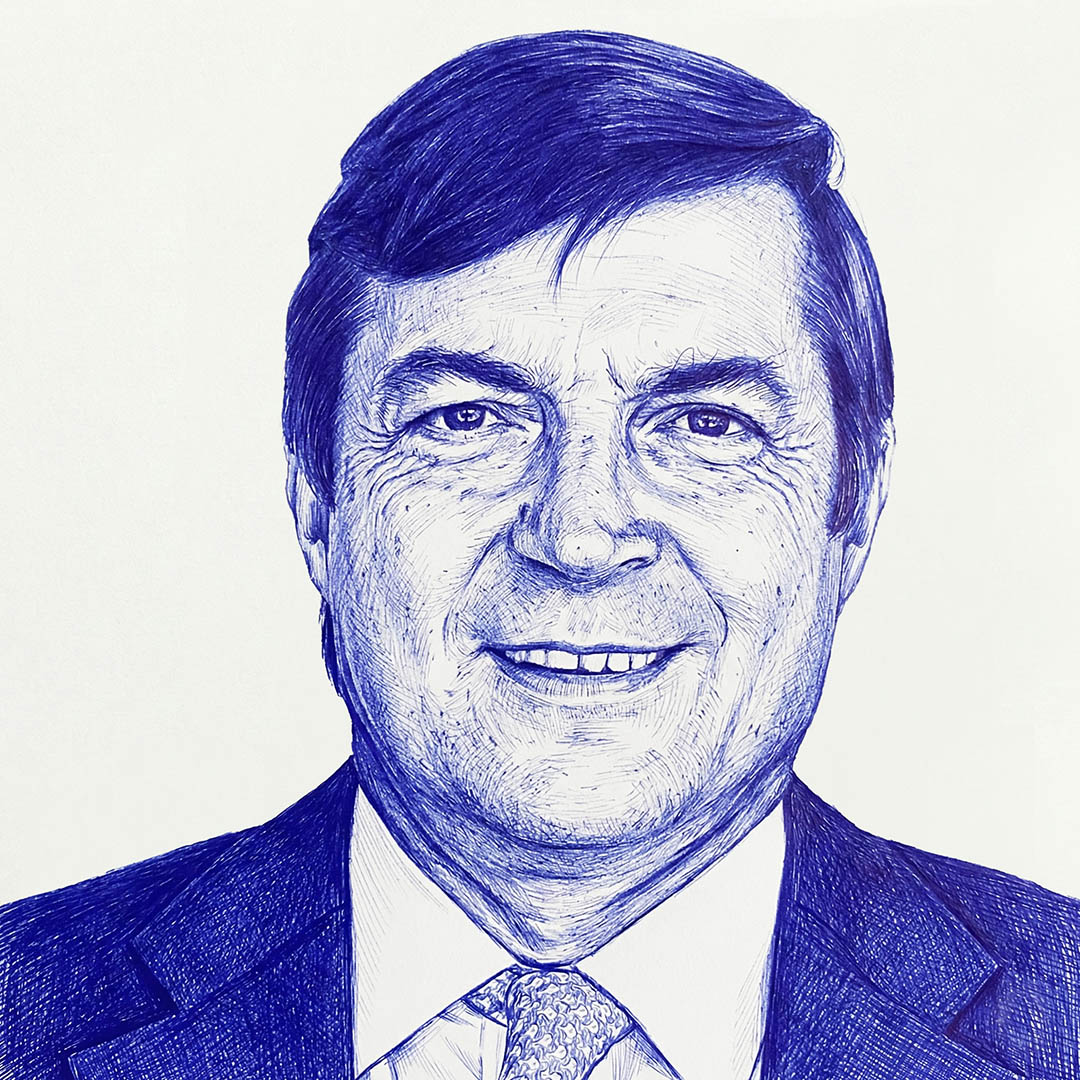
In light of all this, few would deny that leaders are navigating a volatile, uncertain, complex, and ambiguous (VUCA) world. What’s more, as Arthur D. Little (ADL) Chairman and CEO Ignacio García Alves highlights, they must navigate this VUCA world while balancing two “ambidextrous” priorities. “Leaders must deliver today and build for tomorrow, while continuously adapting to accelerating VUCA events,” he says.
CHALLENGING TIMES
“VUCA” was first coined nearly 40 years ago by the US Army War College to define the challenges of operating in the post-Cold War world. Although it remains relevant in today’s business landscape, the concept has limitations and, on its own, is not a sufficient framework for strategizing in the near term or beyond.
“We’re not just working in a volatile, uncertain, complex, and ambiguous world,” explains Sally Menassa, Partner in ADL’s Growth practice. “We are also working in a much more intricate world.”
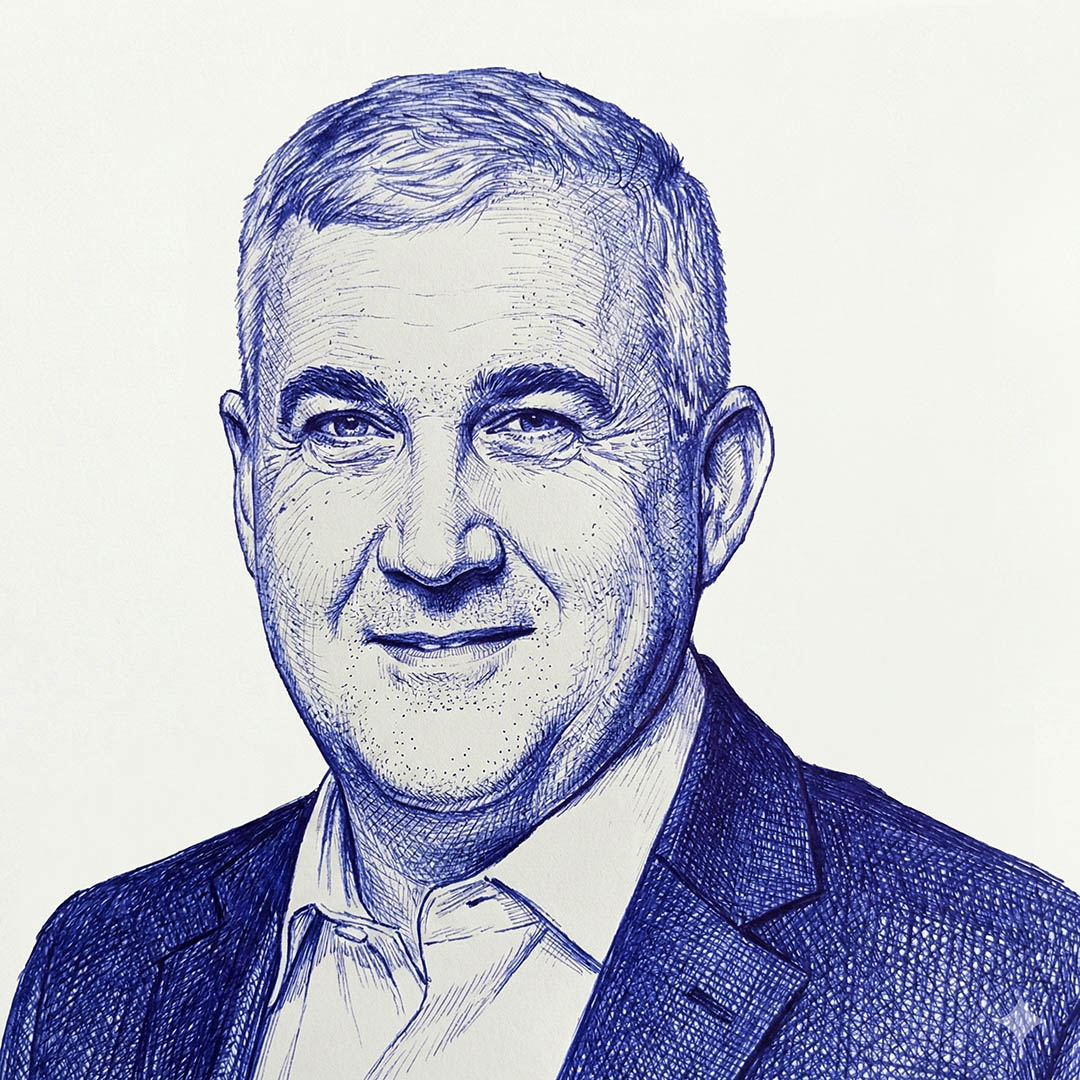
A key limitation of the VUCA framework is that it predates the era of digital disruption — an era that has accelerated significantly with the rise of AI technologies, particularly since the launch of ChatGPT in 2022. “AI is a big uncertainty, and it’s not yet clear which organizations it will affect and in which ways,” says Michael Kolk, Global Practice Leader of Innovation at ADL. “What’s happening in AI now is complex and will affect many business processes” (see ADL report “Moving Innovation Forward”).
VUCA neither addresses the root causes of uncertainty nor offers strategic responses to it. What’s more, it has major blind spots (e.g., overlooking the convergence of global crises), and it fragments reality into four components that are actually tightly entangled and interdependent. Uncertainty largely results from complexity, for instance. For these reasons, García Alves cautions that VUCA is just one tool for viewing today’s challenges. “There are many lenses you can use, and VUCA is one of them,” he says. “But you might not see everything through VUCA. You also need to look at other frameworks.”
CONVERGING DISRUPTIONS
The interconnected nature of today’s uncertainties underscores the need to examine them through multiple lenses. “Today, we’re not just talking about separate disruptions,” argues Menassa. “We are also talking about how these disruptions converge and amplify each other. The sustainability crisis, geopolitical fragmentation, and competition for resources are all making it harder for leaders to manage volatility the way they used to.”
Business models must shift in response to the speed of change, as well as the interconnected nature of disruptions, Menassa believes. “Past operating models were built around predictability and efficiency, which made sense because the world was much slower,” she says. “Now, the premium is on how fast you can adapt. To win, organizations must shift from a static operating model to an adaptive one. They need to learn how to configure, reconfigure, and pivot” (see ADL Viewpoint “Developing Resilience for Global Supply Chains in Crisis”).
Some of today’s most successful organizations already prioritize rapid learning and sensing mechanisms that can be quickly reconfigured. For example, to improve its vehicles, Tesla proactively seeks customer feedback on defects. Netflix continually experiments, using A/B testing to inform product decisions. Microsoft has consciously shifted from a “know it all” culture to a “learn it all” one. (For a practical blueprint to make sensing measurable and reconfigurable, see ADL Viewpoint “Resilience Through Transparency.”)
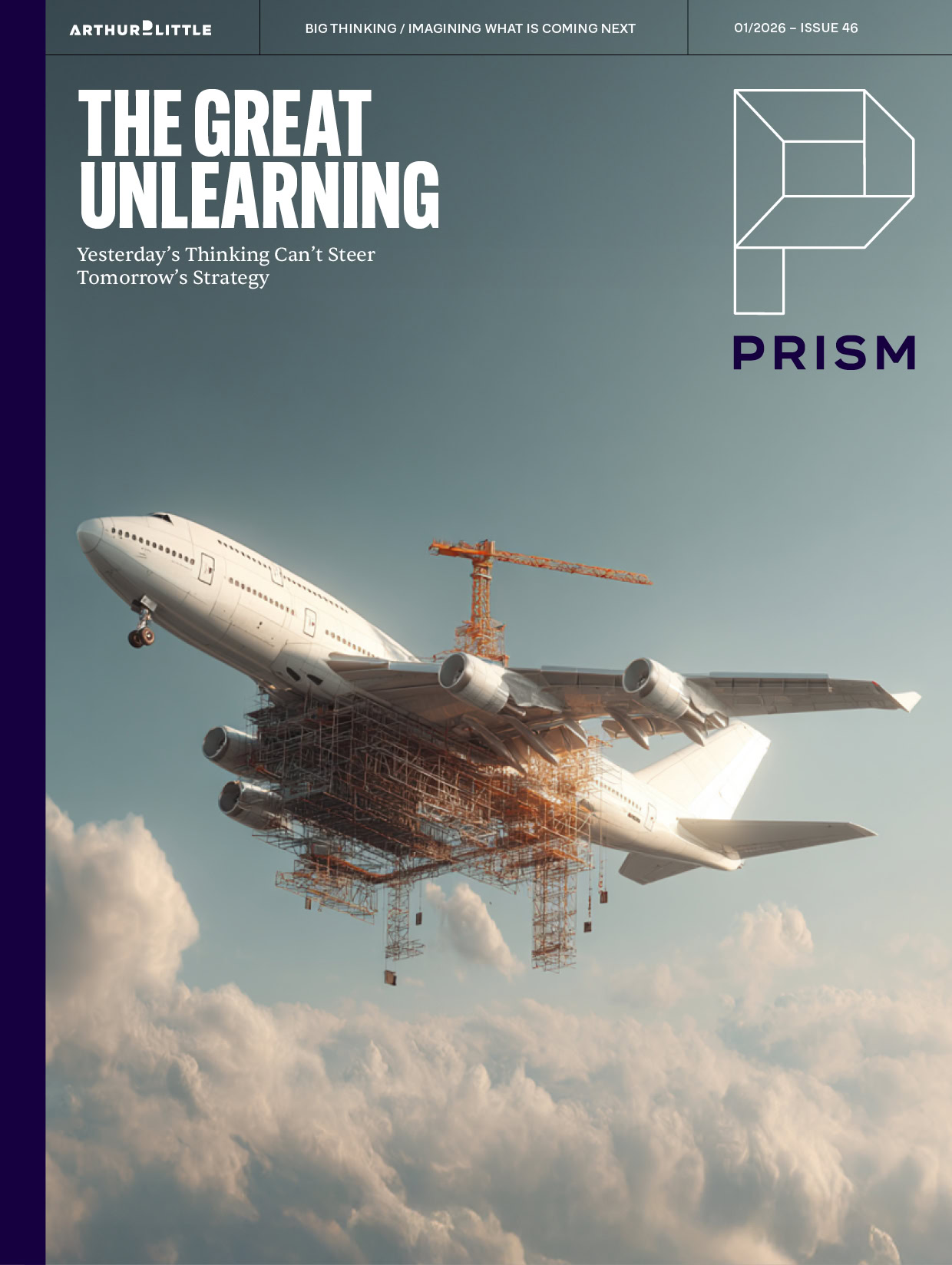
Menassa, based in the Middle East, sees the principle of “learning through uncertainty” play out firsthand. New cities, such as The Line in Saudi Arabia, are being developed amid constantly shifting financial, regulatory, and technological landscapes. “I hear my clients say, ‘Let’s build the plane while we’re flying it,’” she notes.
Kolk also believes that new ways of thinking and operating are critical to success. “With innovation, for example, the traditional way of thinking is ‘We invest in R&D and other types of innovation to protect our current business and expand it,’” he says. “The strategy is to produce a new product or an improved product, but what if we instead focused on generating data that is worth more than the product itself?”
According to Kolk, new ways of thinking can mean being open to different options. They can also mean thinking critically, especially given the rise of AI, which is renowned for hallucinating (presenting false information as fact). “Critical thinking will become one of the most important traits an individual or an organization can have,” he says. “AI will answer a question, but you need to be able to see the difference between an excellent answer and a good answer and between a good answer and a lousy answer.”
VUCA neither addresses the root causes of uncertainty nor offers strategic responses to it
A modern playbook
To help leaders think and respond differently to today’s uncertain world, ADL has developed its own framework: FOE (fractured, overloaded, entrenched). Designed to complement VUCA and other established models, FOE serves as the foundation of a broader methodology — currently in development — for navigating uncertainty.
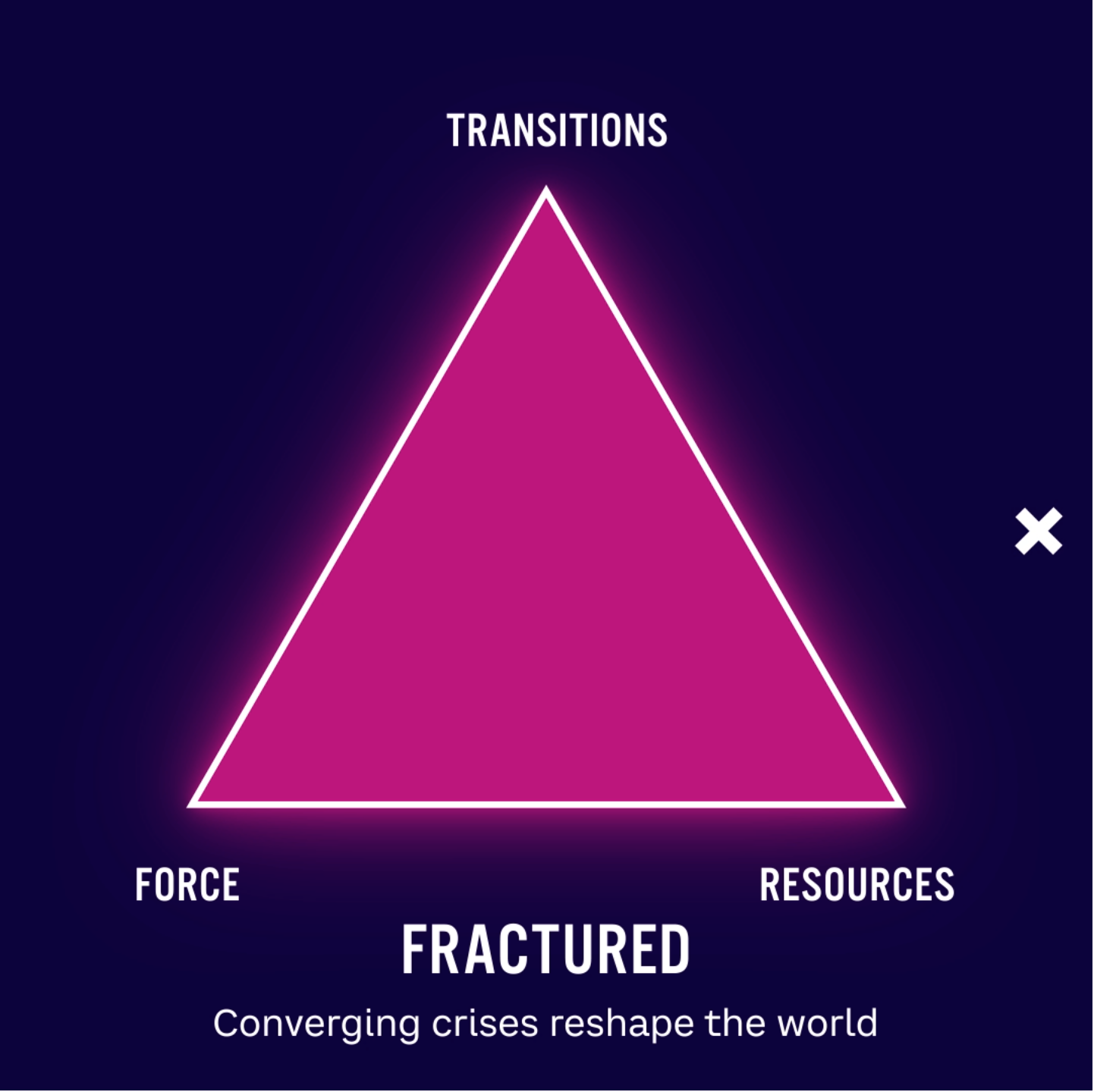
The ADL FOE framework
Source: Arthur D. Little
The FOE framework aims to address the main limitations of VUCA, account for underlying trends and the factors that amplify them, consider organizational and individual constraints, and better explain the deep uncertainties that govern today’s world. Examples of these uncertainties include the impact of global warming on the physical, political, and regulatory environment and the implications of AI-powered disruption for our global economy and society (for the infrastructural and resource constraints behind this, see ADL Blue Shift report “AI’s Hidden Dependencies”).
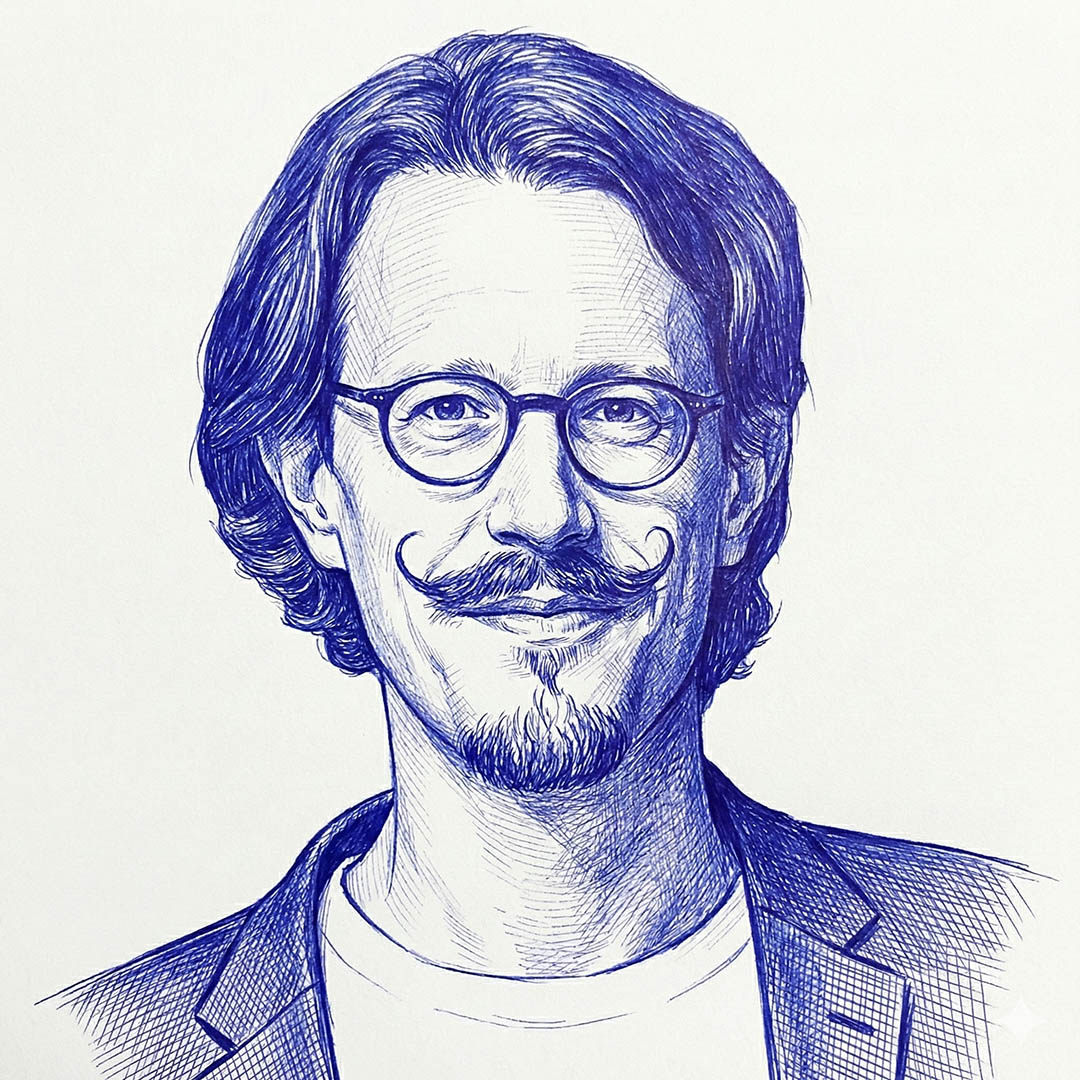
“A big challenge for leaders today is how to strategize in the context of deep uncertainty,” explains Albert Meige, Global Director of Blue Shift, ADL’s forward-looking institute. “FOE is based on systemic analysis to help leaders better understand the nature of current uncertainties and how to respond strategically.”
FOE is grounded in the logic that the visible events that create business risk, such as heatwaves and cyberattacks, reflect deeper trends like global warming and digital transformation. In turn, those trends stem from structures (e.g., an energy system based on fossil fuels and a globalized economy) enabled by technological systems. And these structures rest on mental models: a belief in infinite growth and in technology’s ability to solve all problems (see ADL Viewpoint “The Predictive Resilience Imperative”).
FOE enables strategic decision-making by describing a world that is:
- Fractured. The world is being ruptured by the convergence of three sets of exogenous crises: crises relating to planetary, technological, and geopolitical transitions; crises over resources such as energy, water, and critical materials; and crises of force as power reemerges as a major mode of regulation. Notably, crises relating to transitions, resources, and force tend to intersect and reinforce each other. For example, countries are competing fiercely for rare earths that are essential for modern technologies, national defense strategies, and the green energy transition.
- Overloaded. Organizations are increasingly overwhelmed by complexity, speed, and noise — factors that amplify crises of transition, resource scarcity, and geopolitical tension. The complexity of blurred sector boundaries, accelerating technological convergence, and a highly interconnected global economy all intensify pressure. Then there’s the speed of systems, fueled by technological, financial, and informational infrastructures designed to respond rapidly; yet, this acceleration is outpacing the adaptive capacity of both organizations and individuals while also increasing the rate at which crises unfold. Noise, stemming from a world saturated with both information and misinformation, rounds out the overload. Algorithms amplify both, and certain political, economic, and ideological actors actively weaponize them.
- Entrenched. Companies’ capacity to adapt to change is blocked by three internal barriers: cognitive biases of their own people, inflexible command-and-control organizational structures built for stability rather than adaptation, and cultural resistance to change.
FOE stands out because it encourages leaders to consider people-related factors when strategizing for the future

Why we need FOE
The combination of the three FOE components creates the deep uncertainties that exist today. By understanding each of them, and developing a strategic response, leaders can enhance their organization’s clarity of purpose, strategic agility, and collective resilience. This way, when the environment moves around them — as it invariably will — their organizations will be able to stay grounded, sense and adapt, and effectively recover from shocks (see ADL Viewpoint “Preparing for the Unpredictable”).
For Meige, what sets FOE apart from VUCA is that it offers guidelines for navigating deep uncertainty. “For companies and decision makers, the temptation is to see uncertainties only through the lens of events because they are the visible tip of the iceberg, the easiest to grasp,” he says. “Yet these events sit within broader trends that in turn arise from structures and infrastructures shaped by dominant mental models.”
“VUCA is useful, and it will always be useful,” Menassa states. “But it is not necessarily sufficient because VUCA and other traditional frameworks were designed for a world that is more stable than the one we have today. They assume that you can forecast and plan, and that if you forecast and plan, you are going to be successful. But given the disruption and discontinuity we have now, we need a framework that is built differently. Instead of just predicting and planning, we need to be continuously sensing and adapting.”
García Alves believes that FOE stands out because it encourages leaders to consider people-related factors when strategizing for the future. “Previous frameworks tended to overlook the human dimension, which is how humans relate to what is happening,” he says. “That’s what differentiates our framework. All the change in the world is creating a lot of anxiety. People feel that they are not controlling their future, and they want to take back control.”
WE MUST UNLEARN
In today’s fractured, overloaded, and entrenched world, companies that cling to traditional frameworks and “best practices” risk obsolescence. “Resistance to cultural change has always been an issue,” Menassa says. “And resistance usually stems from having been successful in the past. Companies overvalue what made them great, but undervalue emergent ideas they don’t necessarily understand, which could make them less relevant. Unless we can shift mindsets, transformation is not likely to succeed. We need to unlearn to move forward.”
According to Kolk, future organizations must become more adept at gathering and interpreting intelligence. They also need to make stronger decisions in increasingly complex internal and external environments — considering a broader range of options, perspectives, and disciplines. He believes the most successful organizations will be those that move away from “almost always” favoring the status quo. “The cost of doing nothing is going up,” Kolk says. “Chances are, your organization is going to be disrupted or made uncompetitive in the future, so just staying put will not work.”
“We need to start loving uncertainty,” concludes García Alves. “That’s the ultimate destination.”
Key takeaways
- Don’t just look at uncertainty through one lens. Use multiple lenses to highlight a variety of issues and gain diverse perspectives.
- Consider how the disruptions facing your organization converge and amplify each other. Adjust your business model accordingly.
- Integrate the concepts of fractured, overloaded, and entrenched into your strategic thinking. Use them as guidelines to inform future planning.
- Challenge the status quo by learning and sensing, being open to new ideas, and disrupting your business model before it’s disrupted for you.
- Have a positive mindset about uncertainty — see it as an opportunity, not just a threat.